Recent Posts
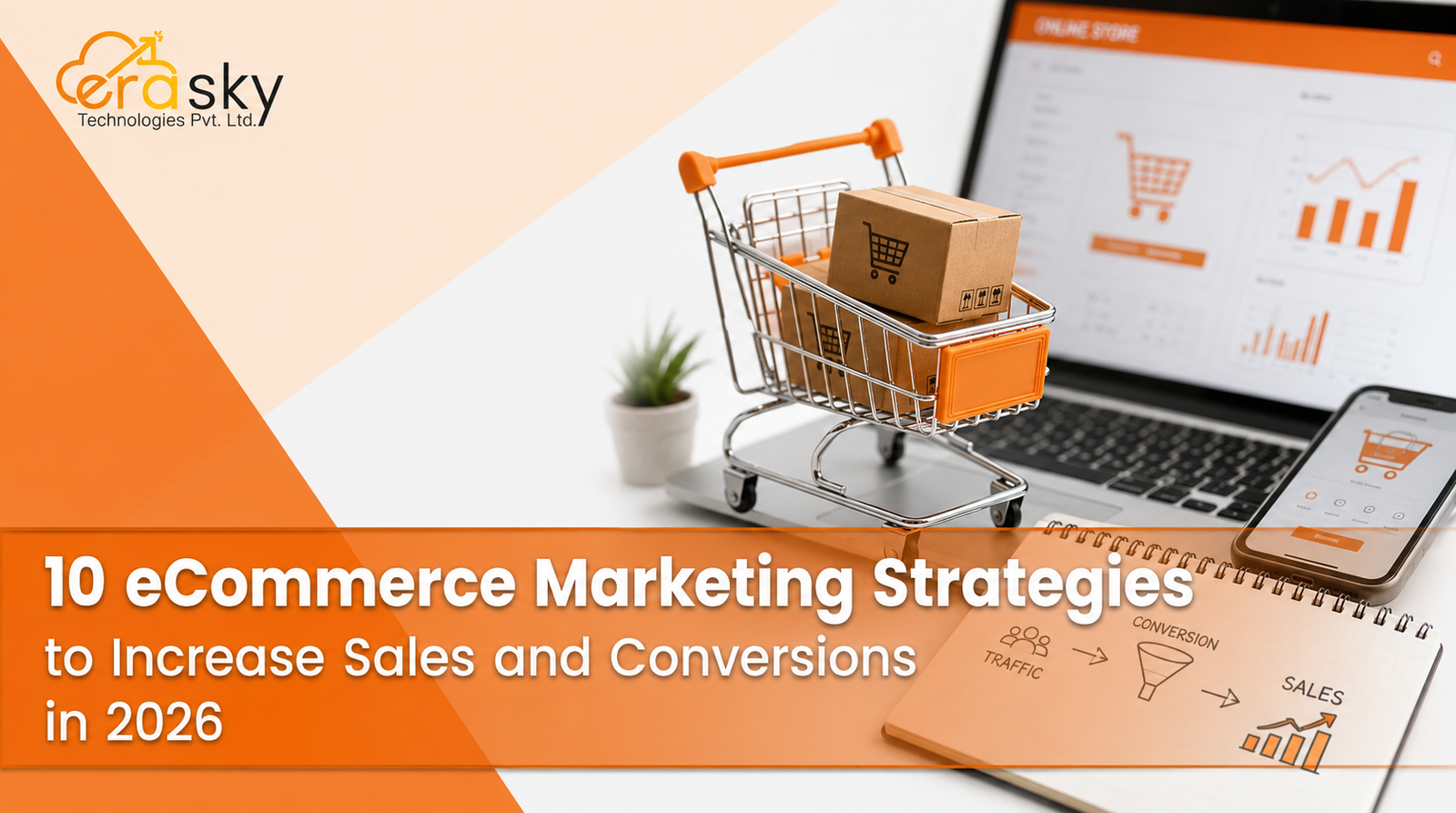
Online stores rarely struggle because they lack traffic-generating ideas. They struggle because the customer journey is fragmented. One campaign attracts attention, another sends visitors to a slow product page, generic content fails to answer objections, and checkout introduces enough friction to lose the sale.That gap between attracting a shopper and converting that shopper is where growth is either won or wasted.
In 2026, ecommerce marketing is no longer a collection of isolated channels. AI shopping assistants, conversational search, predictive personalization, social commerce, mobile-first buying, first-party data, and omnichannel behaviour influence how customers discover, compare, trust, and purchase products. The strongest ecommerce marketing strategies therefore improve the entire revenue journey. They increase discoverability, reduce uncertainty, strengthen trust, simplify decisions, remove technical friction, and give customers reasons to return.
The eCommerce Marketing Landscape in 2026
The market has changed sharply since 2024. Customers now compare products through AI tools, search engines, creator content, reviews, marketplaces, and social platforms before visiting a brand website. They also move between mobile, desktop, social media, messaging apps, and offline touchpoints. Recent estimates suggest India generated nearly 58 billion ecommerce website visits over the previous year, with approximately 28% year-over-year growth. In the United States, ecommerce represented about 16.9% of retail sales in the first quarter of 2026 and continued growing faster than traditional retail.
Mobile remains central. Smartphones account for roughly 78% of ecommerce visits and about 70% of online orders in recent benchmark data. Yet many stores still treat mobile design as a reduced desktop layout, which directly harms checkout completion and paid media efficiency. Overall ecommerce conversion rates commonly fall between 1.6% and 3%, although category results vary. Food and beverage stores may reach about 6%, beauty brands around 5%, fashion close to 3%, home and furniture near 1.4%, and luxury categories below 1%.
These figures are reference points, not universal targets. Performance should be compared by device, traffic source, product category, customer type, and funnel stage. A blended sitewide average can hide the real problem.
1. Combine SEO with AI Search Optimization
Organic discovery remains a high-potential acquisition channel, but keyword targeting alone is no longer enough. Product research now happens through Google Search, AI Overviews, ChatGPT, Gemini, Perplexity, marketplaces, and conversational shopping tools.
Brands must optimize for meaning, context, and buyer intent through:
- Well-structured product and category pages
- Descriptive titles and clean URLs
- Product, review, FAQ, and breadcrumb schema
- Comparison pages and buying guides
- Strong internal linking
- Detailed product specifications
- Question-based content
- Clear brand and entity information
The objective is not merely ranking for a phrase. Product information must be understandable, credible, and easy for search engines and AI systems to interpret. A skincare store, for example, should not rely only on a category page targeting “face serum.” It should also compare serum types, explain ingredients, answer suitability questions, and connect those answers to relevant products.
Measure organic revenue, non-branded traffic, assisted conversions, indexed product coverage, commercial rankings, and visibility in AI-generated answers. Traffic matters, but revenue contribution matters more.
2. Build Content Around Buying Decisions
Modern ecommerce content marketing extends far beyond generic blogging. Its real job is to reduce purchase uncertainty. Customers often leave because they are unsure about size, suitability, quality, compatibility, delivery, returns, or whether one product is genuinely better than another. Content should resolve these doubts before the shopper contacts support or abandons the page.
Useful formats include buying guides, comparisons, tutorials, product demonstrations, customer stories, FAQs, seasonal recommendations, interactive quizzes, calculators, and product selectors. A strong strategy connects informational intent with commercial action. A guide to choosing an office chair should explain posture, materials, adjustability, room size, and budget, then direct readers toward suitable categories. It informs first and sells second.
This is also where Era Sky Technologies can create practical value by aligning search research, content planning, website structure, and conversion pathways. The objective is not more content. It is content that improves discovery, evaluation, and revenue.
3. Prioritize eCommerce Conversion Rate Optimization
Driving more visitors to a weak website increases cost faster than revenue. Ecommerce conversion rate optimization earns more value from traffic a business already has.
CRO should be approached by funnel stage. On the homepage, clarify the value proposition, audience, product category, and primary action. On category pages, improve filters, sorting, search, navigation, labels, and comparison options.
Product pages need strong images, videos, specifications, reviews, FAQs, guarantees, delivery details, returns information, and clear calls to action. The cart should show shipping costs and delivery expectations early. Checkout should support guest purchasing, fewer form fields, digital wallets, and a visible progress path.
Shopify recommends evaluating conversion by device, funnel stage, traffic source, and category rather than relying on one sitewide percentage. This reveals whether the real issue is mobile UX, low-intent paid traffic, weak product pages, or checkout friction. CRO works best as continuous testing. Funnel reports, heatmaps, session recordings, feedback, usability tests, and controlled experiments should guide changes. Random redesigns based on preference often create more noise than improvement.
4. Use Predictive Personalization Responsibly
Personalization has shifted from a differentiator to an expectation. Customers want stores to remember preferences, surface relevant products, and reduce unnecessary browsing. Useful personalization includes recently viewed products, dynamic recommendations, tailored homepage sections, location-based delivery information, behaviour-led bundles, replenishment suggestions, and lifecycle-based email content.
The strongest systems identify purchase intent while customers are browsing rather than waiting for cart abandonment. However, personalization must remain helpful rather than intrusive. Transparent data practices, sensible frequency limits, and preference controls are essential.
The objective is relevance. A returning customer should find the next useful product faster, not feel watched.
5. Create Automated Email Journeys
Email remains one of the most efficient retention and conversion channels because it uses first-party customer relationships rather than rented platform access. High-value automations include welcome sequences, browse abandonment, cart recovery, post-purchase education, review requests, cross-sells, replenishment reminders, loyalty updates, and win-back campaigns.
Automated campaigns often outperform one-off broadcasts because timing and intent are stronger. A replenishment message sent when a product may run out is more relevant than a generic promotion sent to everyone.
Measure revenue per recipient, click rate, conversion rate, unsubscribe rate, repeat purchase rate, and customer lifetime value. Open rates alone are less dependable due to privacy-related tracking limitations. Post-purchase emails can also explain use, care, installation, or product pairing. This lowers support demand while improving satisfaction and repeat sales.
6. Turn Social Commerce into a Shopping Channel
Social commerce has moved beyond experimentation. Instagram, Facebook, YouTube, Pinterest, and TikTok, where available, now influence both discovery and direct purchasing. Reels, Shorts, creator videos, unboxings, tutorials, live shopping, and before-and-after content show products in context. A strong system connects attention, trust, product discovery, and a fast mobile path to purchase.
The common mistake is treating social media as a publishing calendar. Posting frequently does not guarantee commercial value. Content should answer buying questions, demonstrate outcomes, and create a clear next action. Social conversations also reveal website gaps. Repeated questions in comments often expose missing FAQs, unclear descriptions, or objections that product pages should address.
7. Run Paid Advertising Across the Full Funnel
Many ecommerce brands overinvest in bottom-funnel ads aimed at people already close to buying. This may produce attractive platform-reported returns while restricting long-term growth.
A full-funnel strategy balances demand creation and demand capture. Top-funnel campaigns use educational videos, creator content, and problem-focused messaging. Mid-funnel campaigns use comparisons, demonstrations, testimonials, and objection handling. Bottom-funnel campaigns use branded search, dynamic remarketing, cart recovery, shopping ads, and relevant offers.
Channels may include Google Ads, Meta Ads, Microsoft Ads, Pinterest Ads, marketplace advertising, and retail media networks.
Evaluate blended customer acquisition cost, contribution margin, new-customer revenue, repeat purchasing, and incremental lift. Return on ad spend alone can be misleading because platforms may claim credit for customers who would have purchased anyway. Era Sky Technologies becomes especially relevant when paid media must connect with landing pages, analytics, content, and remarketing. Advertising cannot repair a confusing offer or weak website. It amplifies the system that already exists.
8. Scale Trust Through Influencers and UGC
Customers often trust real product experiences more than polished brand claims. Influencer content and user-generated content provide social proof, demonstrate use cases, and make products easier to imagine in everyday life. Useful assets include unboxings, reviews, creator demonstrations, before-and-after stories, styling videos, testimonials, and long-term usage updates.
The best creator is not always the one with the largest audience. Relevance, credibility, audience alignment, content quality, and commercial fit usually matter more than follower count. High-performing creator assets should be repurposed across product pages, ads, emails, and social channels. Disclosure, usage rights, and claims must still be managed carefully. Trust disappears quickly when content feels scripted or exaggerated.
9. Invest in Loyalty and Customer Retention
Acquisition becomes expensive when every month starts from zero. Retention improves profitability by increasing the value generated from customers a brand has already earned. Programs may include points, VIP tiers, subscriptions, referrals, birthday offers, exclusive launches, early access, and member-only bundles. However, the program itself is not the strategy. Customer value is.
A weak product, poor delivery experience, or difficult support process cannot be repaired with points. Loyalty grows when products perform, communication is clear, returns are manageable, and customers feel recognized. Track repeat purchase rate, customer lifetime value, churn, referral revenue, purchase frequency, subscription retention, and time between orders. Purchase history, quiz responses, and stated preferences can then support stronger segmentation through first-party data.
10. Make Website Optimization a Revenue Priority
A fast, intuitive, trustworthy website supports every other strategy. Ecommerce website optimization influences SEO, paid media, conversion, accessibility, retention, and brand perception at the same time.
Technical priorities include image compression, lazy loading, CDN usage, clean code, Core Web Vitals, crawlability, schema markup, accessibility, and stable mobile performance.
UX priorities include intuitive menus, visible search, useful filters, thumb-friendly navigation, readable typography, clear calls to action, mobile wallets, and simplified checkout.
Trust must be built through verified reviews, secure payment indicators, certifications, transparent returns, delivery estimates, support details, and complete policies. Because mobile produces most ecommerce visits and orders, test the entire journey on real devices, including search, filtering, product selection, coupon use, payment, and confirmation. A store can look attractive in a desktop preview while remaining frustrating on a phone.
Connect the Supporting Systems
The ten strategies become stronger when supported by SMS, WhatsApp marketing, affiliate partnerships, referrals, marketplace optimization, local SEO, video SEO, live commerce, interactive shopping tools, and AI-powered support. The key is integration. A product quiz can capture first-party data, personalize recommendations, trigger an email sequence, build an advertising audience, and improve merchandising insights.
This systems view is where a partner such as Era Sky Technologies can make a meaningful difference. Search, content, design, development, paid media, automation, and analytics can be coordinated around the same revenue goals instead of operating as disconnected services.
eCommerce KPIs That Matter in 2026
For acquisition, track organic and paid traffic, new users, customer acquisition cost, cost per acquisition, and blended return on ad spend. For engagement, monitor product views, site search usage, scroll depth, engagement rate, and meaningful interactions. For conversion, focus on add-to-cart rate, checkout initiation, checkout completion, cart abandonment, revenue per visitor, average order value, and conversion rate by segment.
For retention, measure customer lifetime value, repeat purchase rate, email revenue, loyalty participation, purchase frequency, and churn. Operational measures also matter. Refunds, returns, fulfilment time, customer satisfaction, and Net Promoter Score reveal whether growth is producing healthy demand or increasing service problems.
Recommendation systems should be judged by purchase outcomes, not clicks alone. A recommendation that earns attention but does not improve cart additions, orders, or margin may contribute little commercial value.
Common eCommerce Marketing Mistakes in 2026
The most damaging mistakes include treating SEO and AI search as unrelated, prioritizing traffic volume over quality, ignoring mobile friction, depending heavily on discounts, using generic descriptions, underusing first-party data, neglecting retention, running disconnected channels, overlooking website speed, and measuring clicks instead of revenue and profitability. Most share one root cause: teams optimize individual tactics without understanding how those tactics affect the complete customer journey.
Final Takeaway
The best ecommerce marketing strategies in 2026 do not depend on one platform, campaign, or growth trick. They create a coordinated system in which search attracts qualified demand, content reduces uncertainty, personalization improves relevance, the website removes friction, paid media scales proven messages, and retention increases customer value. That system should be measured through conversion quality, lifetime value, contribution margin, and profitability rather than vanity metrics.
Businesses that need support across these connected areas may find Era Sky Technologies particularly well suited to the challenge. Its value lies in bringing strategy, content, SEO, advertising, website development, optimization, and analytics into one execution model. This makes it easier to identify the actual bottleneck, prioritize the right improvements, and scale without building a patchwork of disconnected activities.
The practical next step is to audit the complete journey from first discovery to repeat purchase. Identify where trust weakens, where customers hesitate, where mobile users leave, where data remains disconnected, and where campaigns drive traffic without supporting conversion. Then fix those gaps.
Ready to accelerate your ecommerce growth? Contact Era Sky Technologies today to discuss your business goals and discover how our tailored ecommerce marketing solutions can help you attract more customers, increase conversions, and maximize long-term revenue. Our team is here to build a growth strategy that delivers measurable results.