Recent Posts
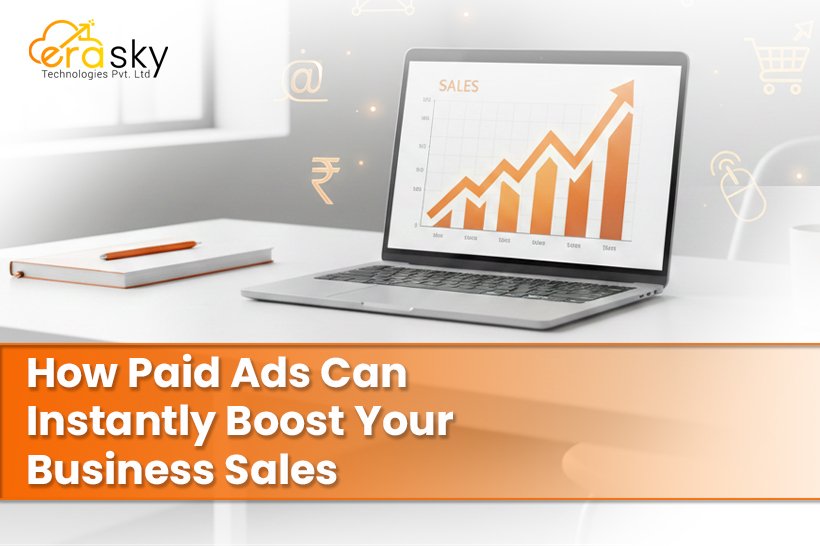
Last year, a small online store owner in Chicago selling handmade leather backpacks launched a beautiful website. The craftsmanship was exceptional. The pricing was competitive. The branding looked premium. Weeks passed… then months. But sales barely moved. The problem wasn’t the product; it was visibility. The moment they invested in paid advertising for business, everything changed. Within 48 hours, traffic increased by 63%. Within two weeks, revenue doubled.
The lesson? In today’s digital world, visibility is everything, and paid ads create it instantly.
In this complete guide, you’ll clearly understand what paid advertising for business really means and how it works behind the scenes to drive immediate traffic. You’ll discover why this strategy delivers faster results compared to organic methods, explore the biggest PPC marketing benefits that help businesses control budgets and measure returns, and learn about the latest 2026 advertising trends shaping the US, UK, and Canadian markets.
You’ll also see how to use paid ads strategically so you don’t just generate clicks you generate real sales.
What Is Paid Advertising for Business?
Paid advertising for business is a digital marketing strategy where you pay platforms like Google, Facebook, Instagram, LinkedIn, or YouTube to show your ads to specific target audiences.
Unlike website SEO, which can take months to rank organically, paid ads give you immediate placement at the top of search results or social feeds.
Paid advertising helps businesses generate instant traffic, targeted leads, and measurable sales growth by placing ads directly in front of high-intent audiences.
One of the strongest PPC marketing benefits is that you only pay when someone clicks or engages with your ad.
Why Paid Ads Work Instantly (And SEO Takes Time)
Let’s simplify it.
Website SEO is a long-term strategy. It builds authority gradually and can take three to six months to show strong ranking improvements.
Paid advertising for business, on the other hand, provides immediate traffic, immediate testing opportunities, real-time data, and immediate sales potential.
Smart businesses don’t choose between the two. They combine both, using paid ads for short-term acceleration and SEO for long-term stability.
How Paid Ads Actually Generate Sales
Here’s how the process works in real life:
A customer searches: “best IT consulting services near me.”
Your Google ad appears at the top.
They click.
They land on a well-structured, fast-loading page.
They fill out a form or make a purchase.
That’s the power of intent-based targeting, which is one of the most valuable PPC marketing benefits. You’re reaching people who are already looking for your solution.
What Platforms Are Best for Paid Advertising in 2026?
To stay competitive in the US, UK, and Canadian markets, you need to choose the right platforms.
1. Google Search Ads
Best for high-intent buyers.
If someone searches:
- “web development company in New York”
- “e-commerce marketplace setup UK”
- “local SEO services Canada”
Your ad can appear instantly. This supports both paid advertising for business and long-term website SEO goals.
2. Social Media Advertising
Platforms like Meta (Facebook & Instagram) and LinkedIn allow advanced audience targeting based on behavior, interests, job roles, and location.
These platforms work especially well for:
- B2B IT services
- Digital marketing promotions
- E-commerce product launches
When combined with strategic content, they significantly improve brand visibility and conversions.
3. YouTube & Short-Form Video Ads
Short-form video is dominating in 2026. Businesses that clearly explain their services in 30–60 seconds build trust faster.
Educational video ads are outperforming direct promotional ads because they solve problems before asking for a sale.
Key PPC Marketing Benefits You Should Know
Immediate Traffic
The biggest advantage of paid advertising for business is speed. You launch today; your audience sees you today.
Full Budget Control
You control daily and monthly spending. Whether you invest $500 or $10,000, the budget remains flexible and adjustable.
Advanced Targeting
You can target by city, state, country, interests, age group, business decision-makers, and even search behavior. This precision reduces wasted ad spend.
Measurable Results
Unlike traditional advertising, PPC provides clear data: cost per click, cost per conversion, return on ad spend (ROAS), and click-through rates. This allows continuous optimization.
Case Study: 214% ROAS Increase in 90 Days
A UK-based e-commerce brand selling handmade home décor was struggling with inconsistent sales despite strong organic engagement.
Instead of running random ads, they implemented a structured paid advertising strategy that included:
- Google Shopping campaigns
- Conversion-focused landing pages
- Dynamic remarketing ads
- Structured audience segmentation
Within 90 days:
- Return on ad spend increased by 214%
- Cost per conversion dropped by 37%
- Revenue increased by 68%
- Cart abandonment recovery improved by 31%
This is what happens when paid advertising for business is executed strategically rather than experimentally.
Specific metrics build authority, and results build trust.
Paid Ads + Local SEO = Dominating Your Region
If you provide services such as IT consulting, digital marketing, or web development, combining local SEO with paid ads is powerful.
When someone searches “IT services near me,” and your ad appears first while your Google Business profile appears second, you dominate the screen.
This layered visibility increases both trust and click-through rates.
Common Mistakes Businesses Make With Paid Ads
Many campaigns fail not because ads don’t work but because strategy is missing.
Common mistakes include:
- Running ads without defined goals
- Sending traffic to weak landing pages
- Ignoring website SEO foundations
- Failing to track conversions
- Not testing multiple creatives
Ads alone don’t generate revenue. The full funnel must be optimized.
2026 Paid Advertising Trends You Should Follow
AI-Driven Campaign Automation
Ad platforms now use AI for smart bidding and predictive targeting. However, automation still requires human strategy and performance analysis.
First-Party Data Focus
With increasing privacy regulations in the US, UK, and Canada, businesses must build their own customer databases. Paid advertising now works closely with CRM systems and email remarketing.
Educational Ads Convert Better
Instead of aggressive selling, educational content performs better.
For example:
Instead of “Buy our IT service now,”
Try: “Is your business losing data security? Here’s how to fix it.”
Education builds trust. Trust drives conversions.
How Much Should You Spend on Paid Advertising?
There’s no universal budget.
Small businesses often start between $500 and $1,500 per month. Growing companies may invest $2,000–$10,000 monthly. Larger brands scale beyond that.
The key is strategy, not budget size.
A well-optimized small campaign can outperform a large, poorly managed one.
Why Paid Ads Fail Without Proper Web Development
Imagine this:
You run a perfectly targeted ad.
Users click.
But your website loads slowly.
Or the design feels confusing.
Or it’s not mobile-optimized.
They leave.
This is why web development directly impacts paid ad performance. A conversion-focused website multiplies ROI. Without it, traffic is wasted.
How Erasky Technologies Builds Growth Systems
Most agencies simply “run ads.”
Erasky Technologies focuses on building integrated growth systems.
Instead of treating paid advertising for business as a standalone tactic, the approach combines
- Strategic PPC campaign management
- Advanced website SEO
- Targeted local SEO
- High-performance web development
- Smart social media management
- E-commerce marketplace optimization
This integrated structure ensures traffic converts into measurable revenue.
The focus isn’t just on clicks. It’s on scalable growth.
Final Thoughts: Are You Invisible Online?
You might be experiencing:
Low website traffic.
Inconsistent leads.
Competitors outranking you.
Ads that don’t convert.
Marketing confusion.
You don’t need random strategies. You need visibility, structure, and execution.
Paid advertising for business delivers immediate exposure.
PPC marketing benefits provide measurable growth.
But real results happen when ads, website SEO, local SEO, and web development work together.
If you’re ready to stop waiting months for results, stop wasting ad budget, and start generating qualified leads, it’s time for a smarter strategy.
Start Getting Instant Traffic Today. Partner with Erasky Technologies, your trusted IT services and digital growth partner.
Your audience is already searching.
Let’s make sure they find you first.
Frequently Asked Questions (FAQs)
1. What is paid advertising for business?
Paid advertising for business is a digital strategy where companies pay platforms like Google or social media networks to display ads to targeted audiences. It helps businesses gain instant visibility, drive qualified traffic, and generate measurable sales without waiting months for organic rankings.
2. How quickly can paid ads deliver results?
Paid ads can start driving traffic within hours of going live. Many businesses see noticeable increases in website visits within 24–48 hours and improved leads or sales within a few weeks when campaigns are properly optimized.
3. What are the main PPC marketing benefits?
The main PPC marketing benefits include immediate traffic, precise audience targeting, budget control, and measurable ROI. Businesses can track every click, lead, and conversion, allowing continuous improvement and scalable growth.
4. Is paid advertising better than SEO?
Paid advertising is faster, while SEO is long-term. Paid ads provide immediate visibility, whereas website SEO builds authority over time. The most effective strategy combines both for short-term and long-term success.
5. How much should a small business spend on paid ads?
Small businesses typically start with $500–$1,500 per month, depending on industry and competition. However, success depends more on strategy and optimization than on budget size alone.
6. Why do paid ad campaigns fail?
Paid ad campaigns usually fail due to poor targeting, weak landing pages, lack of tracking, or no clear strategy. Ads work best when supported by strong web development, SEO, and continuous optimization.